
Snorkeling & reef life
Find shore swims, seagrass and rocky reefs near C6, plus when to choose a guided boat trip.
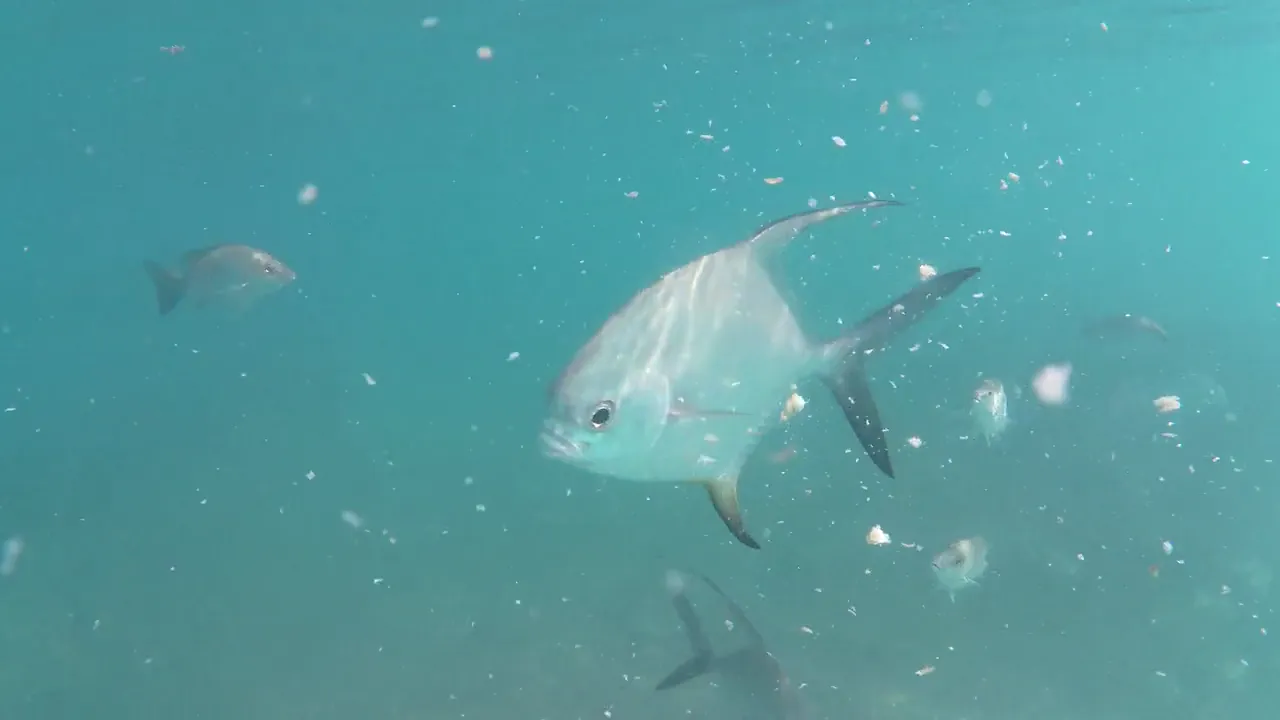
Let each swim be its own experience
The view above the water gives only part of the story. Under the surface, sandy swimming areas, seagrass beds, rocky edges and patches of coral support different kinds of life. Two beaches a short drive apart can feel quite different through a mask. Even the same stretch of shore changes between visits.
Read more
Our best advice is to slow down and look closely. Small fish may shelter by a rock or pass through the edge of your view in a sudden flash. On some days we see busy schools and several larger animals. On others, the pleasure is simply floating over clear sand and watching a few fish move through the light.
The observations below describe our experiences. Wildlife sightings, visibility and reef conditions vary. Choose a swim that suits the conditions and your ability that day, and let a local guide help if you are unfamiliar with the area.
Understanding today’s coral reefs
The U.S. Virgin Islands have experienced serious coral bleaching, coral mortality and disease. NOAA’s U.S. Coral Reef Task Force describes exceptionally severe bleaching in 2023, followed by another damaging period in 2024. DPNR reported extensive heat stress and coral losses across the territory.
Read more
Bleaching happens when stressed corals lose the tiny algae that help nourish them and give them color. Some recover as conditions improve, while prolonged stress can lead to death. Coral disease adds another pressure. These changes affect the living reef habitat that fish and other animals use.
That history helps explain why a postcard image of a continuous, brilliantly colored reef may differ from what you find on a particular swim. There is still much to notice among the remaining coral, sponges, rocks and seagrass. Local nurseries and restoration programs are working to support reefs, and careful visitors can help protect what survives.
From sandy shallows to rocky edges
At Coki, Lindquist and Sapphire, the open sand immediately in front of the beach can make a pleasant swimming area. In our experience, more varied encounters often happen where the habitat changes, around rocks, seagrass or patchy reef. Spend time observing those transitions when they are within a suitable swimming area.
Read more
A short distance on a map says little about the effort of a swim. Wind, waves, current and your return route matter more. Ask about the marked swimming area and current conditions before entering. Keep clear of boat channels, docks and moving vessels, and turn back before you become tired.
Coki Beach and its rocky margins
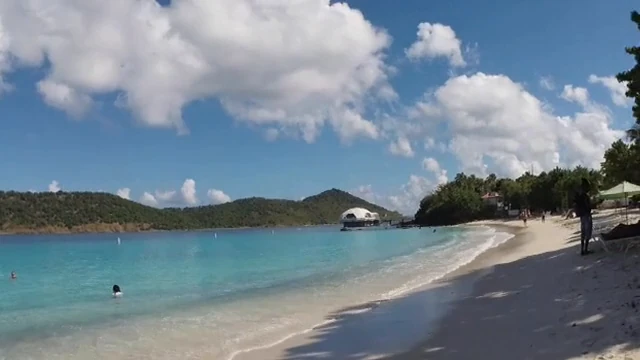
We enjoy looking around the rocky margins on either side of Coki, where the open sand gives way to crevices and small hiding places. Our swims have brought encounters with small Caribbean reef fish, angelfish, octopus and squid-like animals. An animal can be remarkably easy to miss until it moves.
Read more
Coki also has a lively scene above the water, with food stands, vendors and people spending the day together. It can feel like a beach party. We have encountered smoke and marijuana odors on busy visits, so a quieter beach may suit some guests better. Crowds and atmosphere vary.
Coki is a separate public beach beside Coral World. Pineapple Beach is the Margaritaville waterfront across Water Bay. From C6, the daylight shoreline walk toward Coki depends on tides and conditions, and a licensed taxi is an easier option with gear or after dark.
Lindquist’s seagrass, turtles and rays
Lindquist is one of our favorite places to spend a slow day in the water. The pale sand and clear shallows lead into areas of seagrass, where we have watched turtles and rays. On some of our visits we have had several sightings close together. On others, we have seen none.
Read more
Those experiences are a reason to keep looking. Animals move through feeding and resting areas in their own time. The fish and turtle films on this page show particular moments from our swims, and your visit will have its own surprises.
Let turtles choose their path and give rays room to move over the bottom. Watch from a distance without chasing, touching or surrounding them. A turtle needs a clear route to the surface to breathe.
The reef habitat beyond the shallows
Around Lindquist’s seagrass and patchy reef structure, we have had some of our most varied shore-snorkeling experiences in the Virgin Islands. We have seen coral, schools of small fish and larger animals on the same outing. For us, that variety is one of the reasons to keep returning.
Read more
The distances we remember from a swim are approximate, and underwater features can be difficult to judge from shore. Ask a lifeguard or experienced local guide where to enter and which areas are appropriate that day. Follow swimming markers and avoid any boat activity.
Water clarity can change between days and even during an outing. If swell or disturbed sediment makes the reef difficult to see, enjoy the beach and try another time. Lindquist is about three minutes from C6 by car or taxi, so it is easy to plan another visit.
Sapphire Beach
Sapphire combines an East End beach day with rocky and reef habitat close to shore. We like its views across the cays and the convenience of food by the water. Look for fish around suitable reef edges when conditions allow, with space between your fins and the bottom.
Read more
The marina and watersports activity make awareness of boats important. Ask where to swim, choose a sandy entry and keep clear of channels. Beach access is free. Chairs, watersports equipment, food and other rentals are separate purchases.
A snorkeling day on St. John
St. John offers a different day of exploring, with protected park waters that include seagrass, mangroves and reef habitat. The National Park Service describes Maho Bay’s seagrass as a place to watch for green turtles, and rocky areas around the bay support fish and occasional octopus sightings.
Read more
Trunk Bay has an underwater interpretive trail, while Francis Bay combines seagrass, small coral heads and juvenile fish. Pick one area that matches the day’s conditions and your group’s abilities. A guide can help you understand the wildlife and decide where to go.
Allow for the drive to Red Hook, the ferry, onward transportation on St. John and the return sailing. Take your beach bag and leave your main luggage at C6. Come back with enough time to relax on the deck and talk about what you saw.
Check for sargassum before a swim
Floating seaweed and shoreline accumulations can change the entry and visibility at a beach. Sargassum arrivals vary with winds and currents, and nearby bays can have quite different conditions. Ask for recent local observations and choose a clear, suitable swimming area.
Read more
Large piles of decaying seaweed can produce strong odors and respiratory irritation. Keep away from accumulations and choose another beach when conditions are uncomfortable.
When to choose a guided boat trip
A guided outing can help you explore a different reef or cove and learn what you are seeing. Ask the operator about the day’s destination, swimming ability required, equipment and time in the water. The crew should choose stops with the conditions in mind.
Read more
Boat access changes the places you can reach, while sightings still depend on the day. Ask Paradise Villas Luxe Services about snorkeling and sailing experiences near the villa. Let our team know if you are a beginner or would like help identifying fish.
Give the underwater world room
Float above the reef and keep your fins clear of coral, sponges and seagrass. If you need to stand, find clear sand. Leave shells, coral and animals where they are, and observe wildlife without handling it.
Read more
Avoid feeding fish or other wildlife. Watching their natural movements gives you a more rewarding view of the reef. Keep well back from turtles and leave their route to the surface open.
Bring your rubbish back with you and keep loose items secured so they stay out of the water.
Choose mineral sunscreen
For the beach or boat, choose a broad-spectrum, water-resistant, non-nano mineral sunscreen. Check the Drug Facts panel for zinc oxide and/or titanium dioxide as the only active ingredients. The U.S. Virgin Islands prohibit sunscreens with oxybenzone, octinoxate or octocrylene, with a limited prescription exception.
Read more
Some sunscreen ingredients can wash into the ocean and harm coral and other marine life. A rash guard, hat and shade help protect your skin and reduce how much sunscreen you need. Apply sunscreen to exposed skin and reapply as directed on the label, especially after swimming.
Plan around the sea that day
Snorkel with a buddy and stay within your swimming ability. Ask about waves, currents, entry points and any warning flags. Use appropriate flotation if needed, and choose another activity when conditions are unsuitable. Calm-looking water can still have current.
Read more
For a first outing, make sure your mask fits and practice using your snorkel in a suitable shallow area. Keep track of your position and your return to shore. A gentle, comfortable swim gives you more time to notice the little things.
Bring drinking water, a towel and the villa’s small cooler for your beach day. Most of all, leave some room in your plans for another swim. The underwater scene is always changing, and that is part of what makes exploring these islands so enjoyable.