
St. Thomas: history you can walk through
The harbor, fort, churches and step streets tell connected stories of Indigenous life, African heritage, Danish rule and an American territory. Give Charlotte Amalie time beyond the shop windows: history here is part of a living community, not just a collection of old buildings.
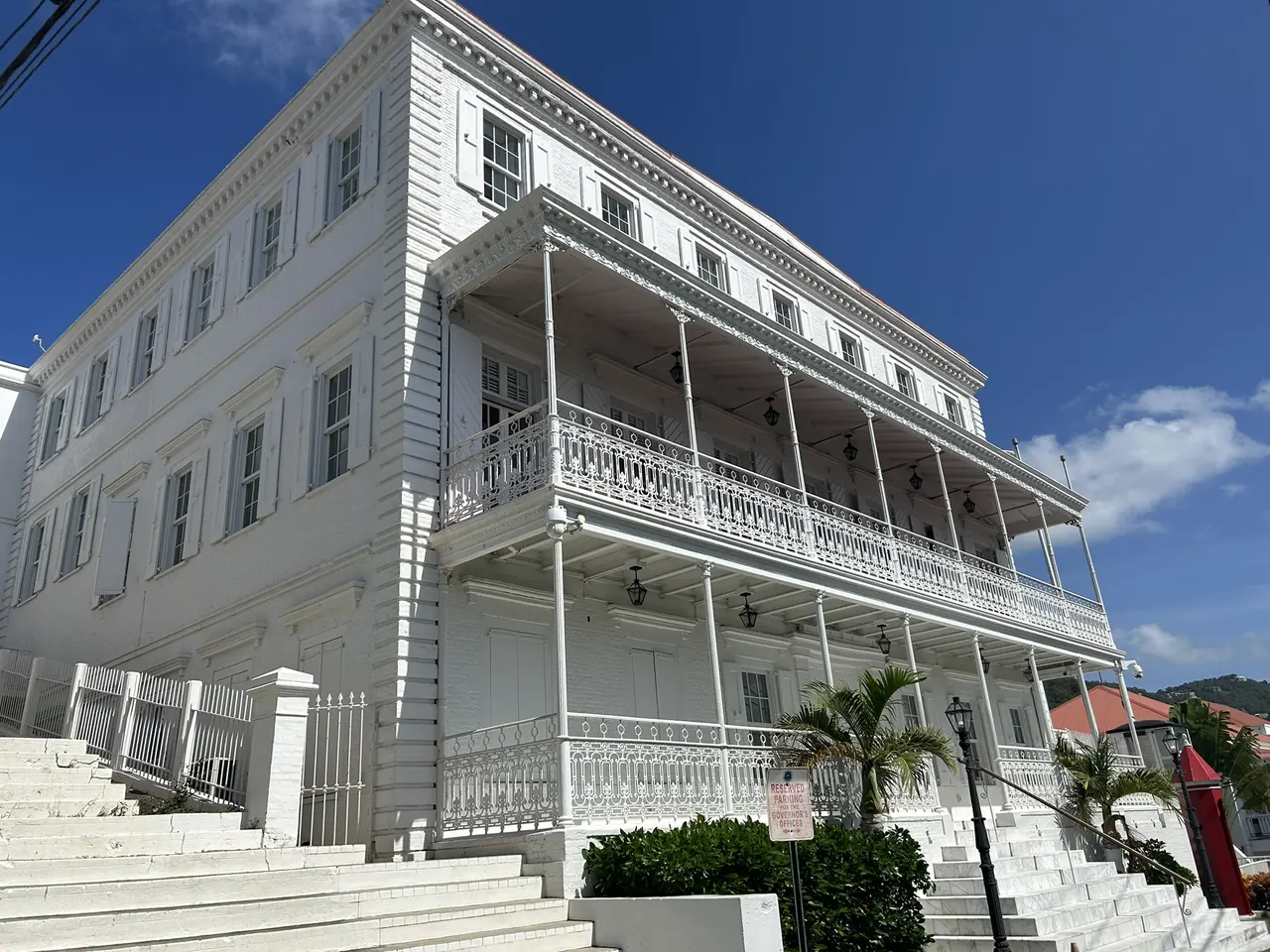
A history morning from the villa
Take a car or licensed taxi into Charlotte Amalie. Start around Fort Christian and Emancipation Garden, then explore the nearby streets in daylight. Add the Historical Trust Museum or a reserved walking tour, browse the passages and stop for lunch. Hilltop sights and the synagogue add climbs; choose the route that suits your group.
Read more
Allow a half day if you want to enter museums and linger. Carry water, sun protection and shoes with grip. Historic buildings can have steps and restricted areas, so ask each venue about access. A guided tour and a fort admission are separate arrangements unless your booking explicitly includes both.
Fort Christian · begin at the red walls
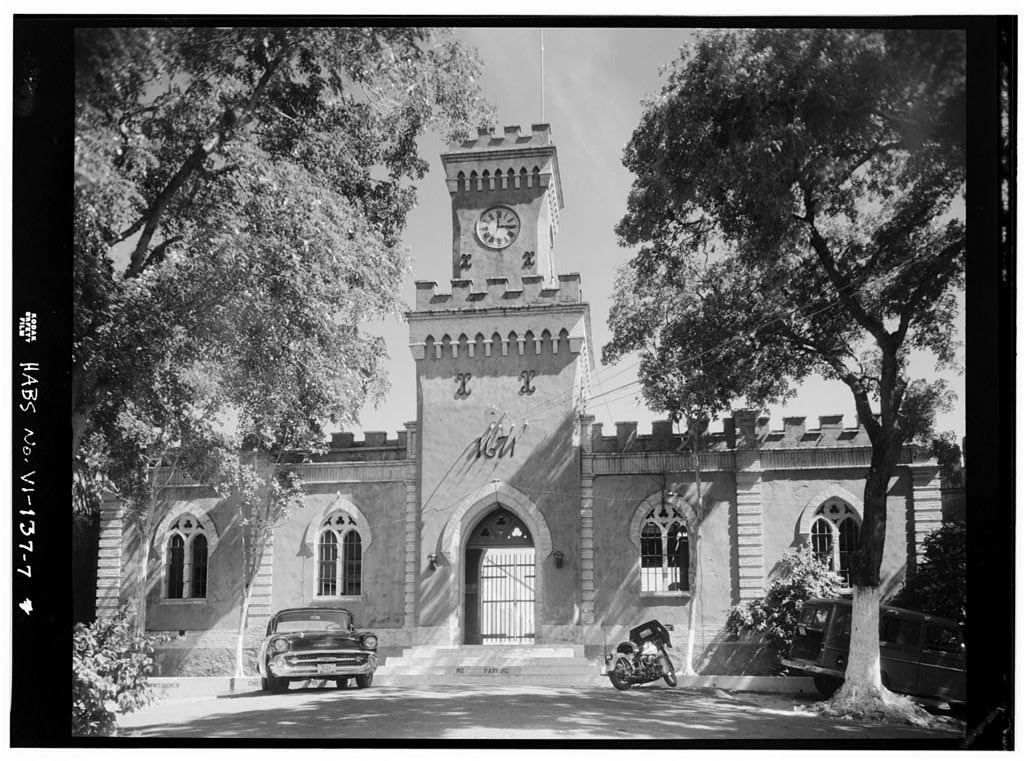
Built between 1672 and 1680, Fort Christian anchored the Danish colonial settlement beside the harbor. Over time it served military, administrative, religious and prison functions. Its thick walls help explain the relationship between trade, colonial authority and the waterfront. Today it is a museum and National Historic Landmark.
Read more
The USVI tourism office lists usual visitor hours as Monday–Friday, 9 a.m.–4 p.m., and admission as $10 per person. It advises that opening days and hours can vary. Allow about an hour for a self-guided visit, and confirm current access and admission before traveling.
Location: the Charlotte Amalie waterfront, opposite Emancipation Garden. For museum enquiries, contact the Department of Planning and Natural Resources at +1 340-774-3320 and ask for Libraries, Archives & Museums / Fort Christian. This is DPNR’s St. Thomas contact, not a dedicated fort booking line.
The archival images below show the fort in earlier periods. They are historical views, not photographs of current exhibits.
Walk with the St. Thomas Historical Trust
The nonprofit Historical Trust offers a downtown walking tour linking the fort, Frederick Lutheran Church, step streets, Government House and other historic sites. A local guide adds the stories that are easy to miss when you walk past an archway or an old warehouse.
Downtown tour details & reservationsHistorical Trust MuseumHassel Island guided tourCall the Historical Trust
Read more
Its published tour schedule is Thursday at 9 a.m., starting at the museum and office at 5332 Raadets Gade. The tour takes about two to three hours, requires at least 48 hours’ notice and has a two-person minimum. Check the booking page for current dates, prices and inclusions. Call the Trust at +1 340-774-5541 for questions.
For a separate outing, its Hassel Island tour combines a harbor boat transfer with a guided hike among historic buildings and batteries. Reserve in advance and ask about the terrain, departure arrangements and weather.
An easy-to-follow downtown walk
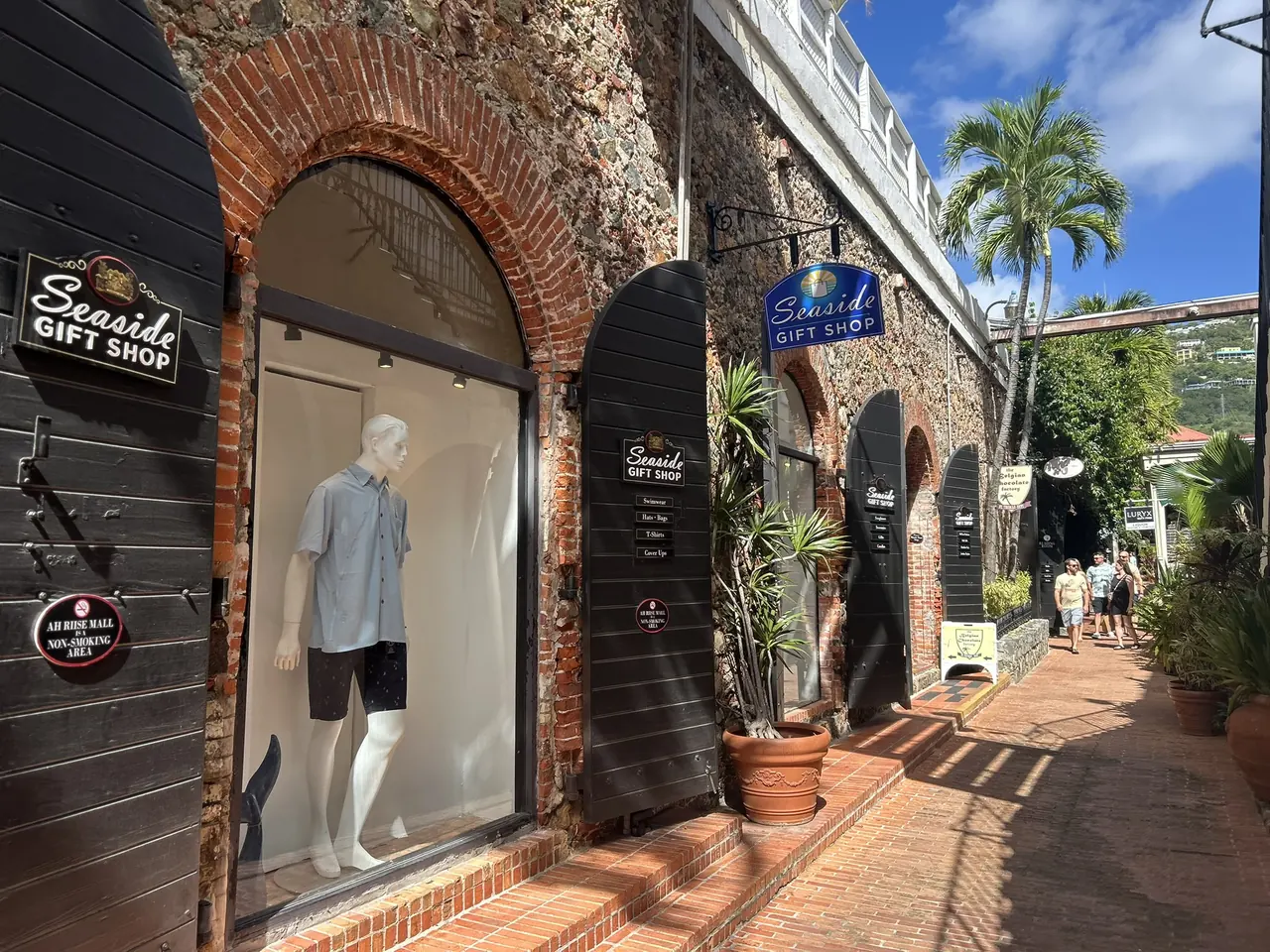
Begin outside Fort Christian, then cross toward Emancipation Garden. Continue past the historic streets around Frederick Lutheran Church. If steps suit your group, climb the 99 Steps for a sense of the steep hillside town; otherwise remain in the lower streets and shopping passages.
Read more
Add the St. Thomas Synagogue on Crystal Gade during its visitor opening times, then return toward Main Street and the waterfront. This is a suggested sequence of stops, not a marked or step-free trail. Building entry, worship services and tour schedules may affect your route. Keep crossings and walking conditions in mind.
Use the Trust’s guided route as a way to discover places you might otherwise overlook, including the post office’s WPA murals and the old warehouse district. Do not assume that a historic building on a route is open for interior visits.
Before the Danish town
The islands had a human history long before European ships arrived. Archaeology in the Virgin Islands records communities arriving from South America thousands of years ago, traveling between islands, fishing, growing food and developing complex cultural and spiritual lives. Indigenous heritage should be the beginning of the story, rather than a footnote to colonization.
Read more
To explore that earlier history further, the National Park Service interprets Indigenous sites on neighboring St. John. These are regional connections, not sites located in downtown Charlotte Amalie. Learn before visiting, leave artifacts in place and respect protected archaeological areas.
1672 onward · a Danish harbor town
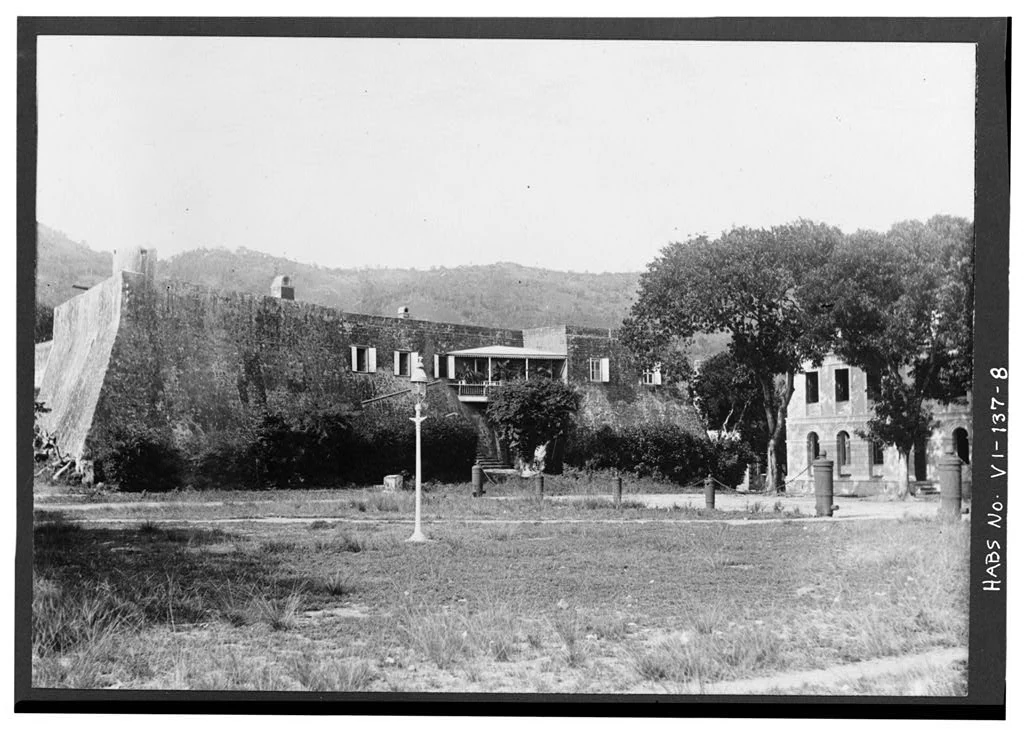
The Danish colony on St. Thomas was established in 1672. The sheltered harbor became a center of Atlantic commerce, and the town’s stone warehouses, courtyards and street names still reveal those connections. Charlotte Amalie’s Danish architecture is especially visible when you slow down and look above the storefronts.
Read more
The port was part of a colonial economy built on enslavement as well as trade. Appreciating its buildings also means asking who constructed them, who worked within them and whose labor supported the fortunes passing through the harbor.
African heritage, resistance and emancipation
Enslaved Africans and their descendants shaped the islands’ economy, culture and communities under brutal colonial conditions. Resistance was part of that history. Slavery in the Danish West Indies ended in 1848, following an uprising on St. Croix. Charlotte Amalie’s Emancipation Garden is a place to pause and reflect on freedom and the people who struggled for it.
Read more
The waterfront’s later steamship era also depended on extraordinary physical labor. The women remembered as the “coaling ladies” carried coal aboard ships and became an enduring part of the harbor’s story. The Historical Trust’s account brings those workers into view alongside governors, merchants and shipowners.
The synagogue · a living congregation
The Hebrew Congregation of St. Thomas was founded in 1796; its present synagogue was dedicated in 1833. The sand-covered floor, mahogany furnishings and Weibel Memorial Museum offer another perspective on the port’s international communities and religious history. It remains a place of worship, so visit respectfully.
Read more
Find it at 2116 Crystal Gade. Arrange your visit using the congregation’s current visitor page or call +1 340-774-4312. Its website pages show differing weekday closing times, so confirm directly rather than planning around an assumed last admission.
1917 · why the islands became American
On March 31, 1917, Denmark formally transferred St. Thomas, St. John and St. Croix, with their associated islands, to the United States for $25 million in gold. The date is remembered as Transfer Day. The purchase reflected American strategic interest in the Caribbean and its harbors during the First World War.
Read more
The transfer changed sovereignty; it did not immediately settle every question of citizenship or local political power. U.S. citizenship was extended to Virgin Islanders by legislation in 1927. The islands’ later path toward self-government continued under the Organic Acts and elected territorial leadership.
An American territory with its own government
The U.S. Virgin Islands is an unincorporated U.S. territory, distinct from the neighboring British Virgin Islands. Its government includes an elected governor and lieutenant governor, a 15-member legislature and courts. Voters elect a delegate to the U.S. House of Representatives who does not have a vote on final passage on the House floor.
Read more
Charlotte Amalie is the territorial capital. The Revised Organic Act of 1954 provides a central framework for government. This political status is part of contemporary island life, not simply a chapter that ended with the 1917 flag ceremony.
Nature has a history, too
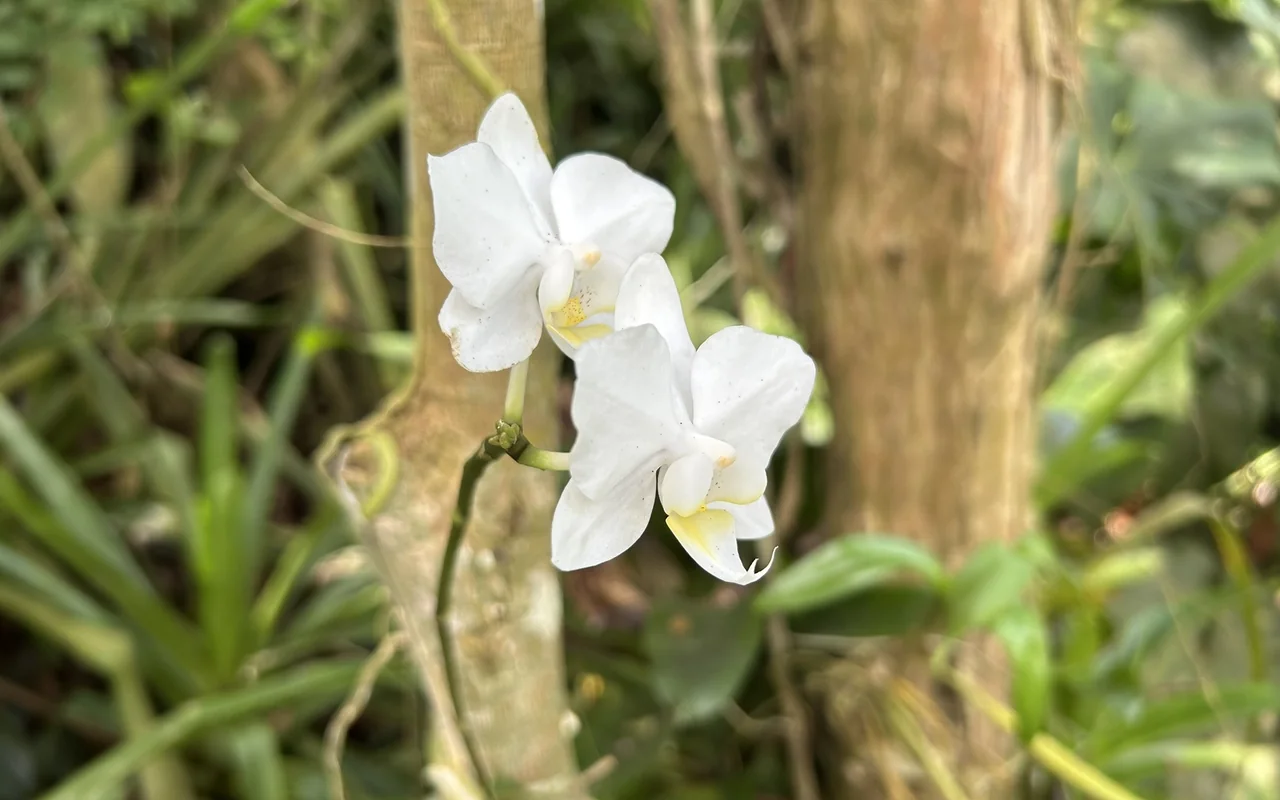
Plants and animals tell stories of movement, cultivation and change. Mangroves, seagrass and reefs are connected coastal habitats, while many familiar garden and roadside species were introduced by people. A bright tropical flower is not automatically a native species.
Read more
Across the Virgin Islands, introduced animals have changed habitats as well. The National Park Service describes how mongooses prey on birds, reptiles and turtle eggs on St. John, and how browsing animals affect vegetation. Those regional lessons help explain why conservation involves both protecting wildlife and managing introduced species.
For a closer look at cultivated tropical plants on St. Thomas, visit Phantasea’s garden. For the coast, observe wildlife without feeding it, keep off coral and leave shells, plants and artifacts where you find them.
Meet the people protecting the islands
At the University of the Virgin Islands, the Virgin Islands Marine Advisory Service works with researchers, educators and volunteers to restore mangroves and document the wildlife they shelter. Its restoration work includes St. Thomas sites and connects shoreline protection with habitat and community learning.
UVI mangrove restorationMeet UVI educator Howard Forbes Jr.CORE marine restoration & educationHistorical Trust step-street projectDPNR historic preservation
Read more
Howard Forbes Jr. and UVI colleagues help connect island residents and students with hands-on marine education. The CORE Foundation supports coral restoration, marine education and invasive lionfish response. For the built environment, the Historical Trust’s step-street work and DPNR’s historic preservation office help keep cultural places part of daily island life.
Follow these organizations for current projects and opportunities. Activities may require registration, training or permits; a link here does not mean there is a drop-in volunteer session during every stay.
A living island, shaping its future
Preserving a place means more than restoring a facade. It means supporting the people who make, teach, maintain and care for it. For visitors, buying from an island maker, booking a knowledgeable guide and respecting protected places are practical ways to take part.
Read more
The continuing work has real challenges: maintaining historic buildings, protecting coastal habitat and deciding whose stories museums tell. In 2026, DPNR sought community input on future permanent exhibitions at Fort Christian and Fort Frederik. That invitation is a reminder that interpretation is still being shaped by Virgin Islanders themselves.
Use this guide as a starting point for listening. The best visit leaves room for conversations with the guides, shopkeepers, artists and residents who know these places as home. Visitor details were researched in November 2026; check the linked organizations for changes before setting out.